How to Ask Tarot Better Questions — Love, Career and the Yes/No Trap
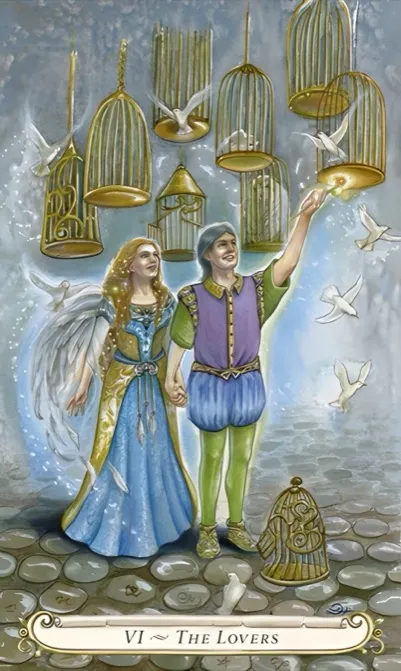
Here is the least mystical truth in all of card reading: the question does most of the work. The same deck, the same card, the same reader — and "Does he like me?" produces fog while "What is this relationship teaching me?" produces a map. Asking well is a learnable skill. This is the short course.
The anatomy of a good tarot question
Good questions share three properties:
- They're about you. The cards read the person holding them. "What will she decide?" points the deck at someone who isn't in the room; "How should I hold myself while she decides?" points it at the only life you steer.
- They're open. What / How / Where questions give a 78-card deck room to speak. Closed questions waste its vocabulary.
- They're honest. If the real question is "Tell me I'm right to be angry," the reading will be as crooked as the ask. Name the real thing; the cards are startlingly better at real things.
Love tarot: from surveillance to insight
Most love tarot questions are surveillance requests — does he, will she, is there someone else. They fail twice: the deck can't check, and the answer wouldn't help. Convert them:
- "Does he love me?" → "What does this connection need from me right now?"
- "Will we get back together?" → "What would reunion actually ask of both of us?"
- "Is this the one?" → "What is this relationship here to teach me?"
Draw the 2 of Cups against that last question and you'll get somewhere; the card speaks of reciprocity and mirror-connections, and it will tell you whether that's what you've built.
Career questions: decisions, not lottery numbers
The deck won't name your next employer. It's excellent, however, at the layer under the decision: "What am I not seeing about this offer?" "What's the real cost of staying?" "Where is my ambition actually pointed?" Pair the question with the Situation–Obstacle–Advice spread and treat the 8 of Pentacles or The Chariot as advisors on posture, not prophecy.
The yes/no trap — and the honest way through
Yes-or-no tarot is popular because decisions are heavy and outsourcing is tempting. Use it, but use it correctly: the one-card yes/no draw is a gut check, not a verdict. Upright leans yes, reversed leans no — and your flash of relief or disappointment at the card is the actual answer. If you find yourself re-drawing, the deck has already told you: you know what you want, and you're asking permission.
A closing exercise
Tonight, write down the question you've been carrying — the first phrasing that comes. Then rewrite it once using the three properties above: about you, open, honest. Draw a single card in Lunox against the rewritten question and journal one sentence. That small edit — question first, card second — is the entire difference between consulting a deck and consulting yourself through one.
Put it into practice
Draw your own cards in Lunox — free tarot readings, all 78 card meanings and a dream journal.